
The relationship between sleep and nutrition
How does poor sleep affect appetite and food choices? Evening meal timing, caffeine, alcohol and eating habits that…
The core principles of the Mediterranean diet, based on vegetables, legumes, whole grains and olive oil, and how to adapt it to everyday life with Turkish cuisine.
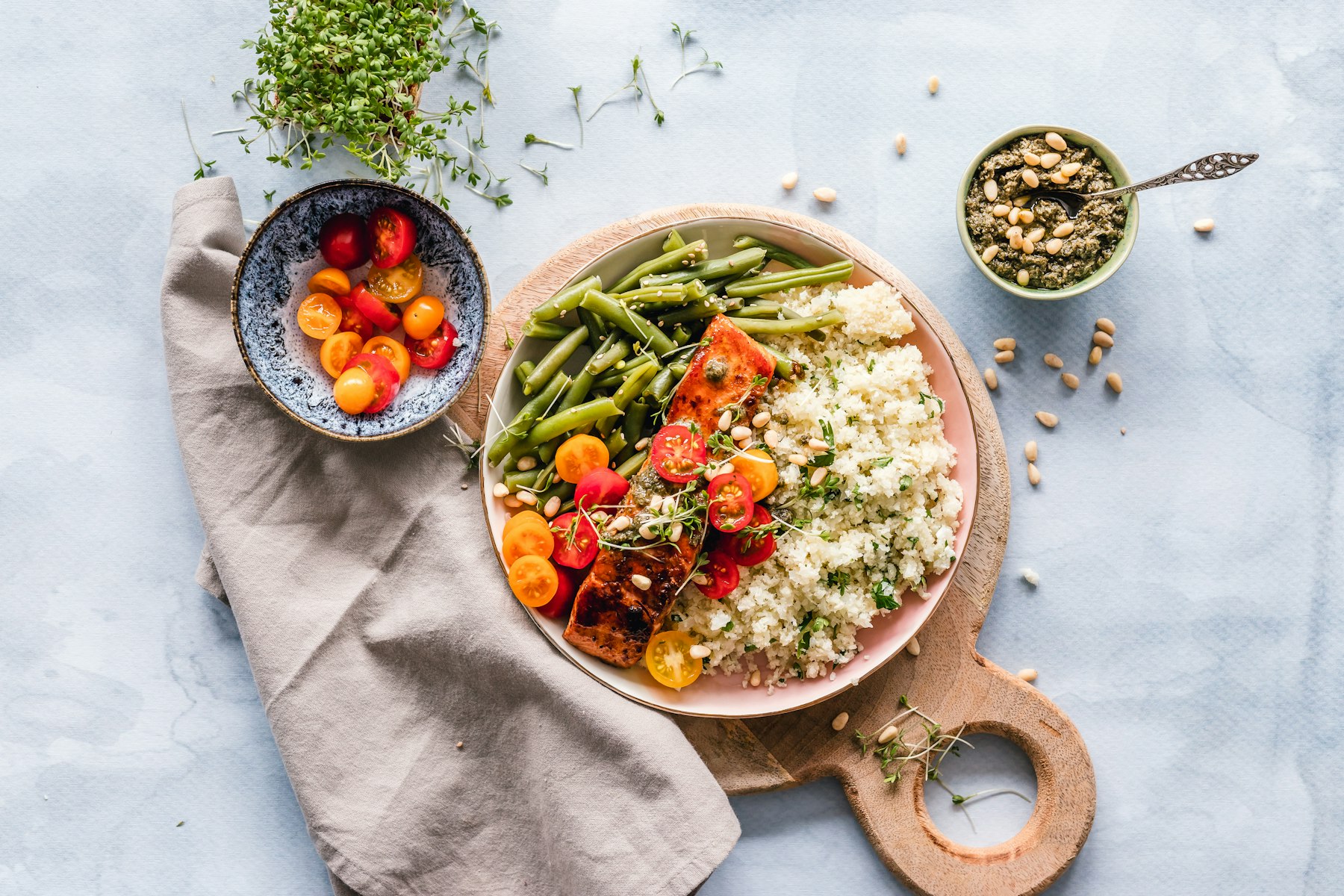
The Mediterranean diet takes its name from the traditional eating habits of the regions bordering the Mediterranean Sea. It is better described as a way of life and a food culture than as a "diet". The World Health Organization and many national dietary guidelines cite its core principles as an example of healthy eating.
The good news is that Turkish cuisine, especially the traditional dishes of the Aegean and Mediterranean regions, already overlaps with this pattern to a large extent.
Including vegetables at every meal is the foundation of this pattern. Seasonal, colourful and varied vegetables and fruit are preferred.
Chickpeas, lentils, haricot beans and borlotti beans are on the table several days a week. They are a source of both plant protein and fibre.
Whole grains such as bulgur, wholemeal bread, oats and brown rice are preferred over refined grains.
The main source of fat is olive oil, used in cooking, in salads and at breakfast.
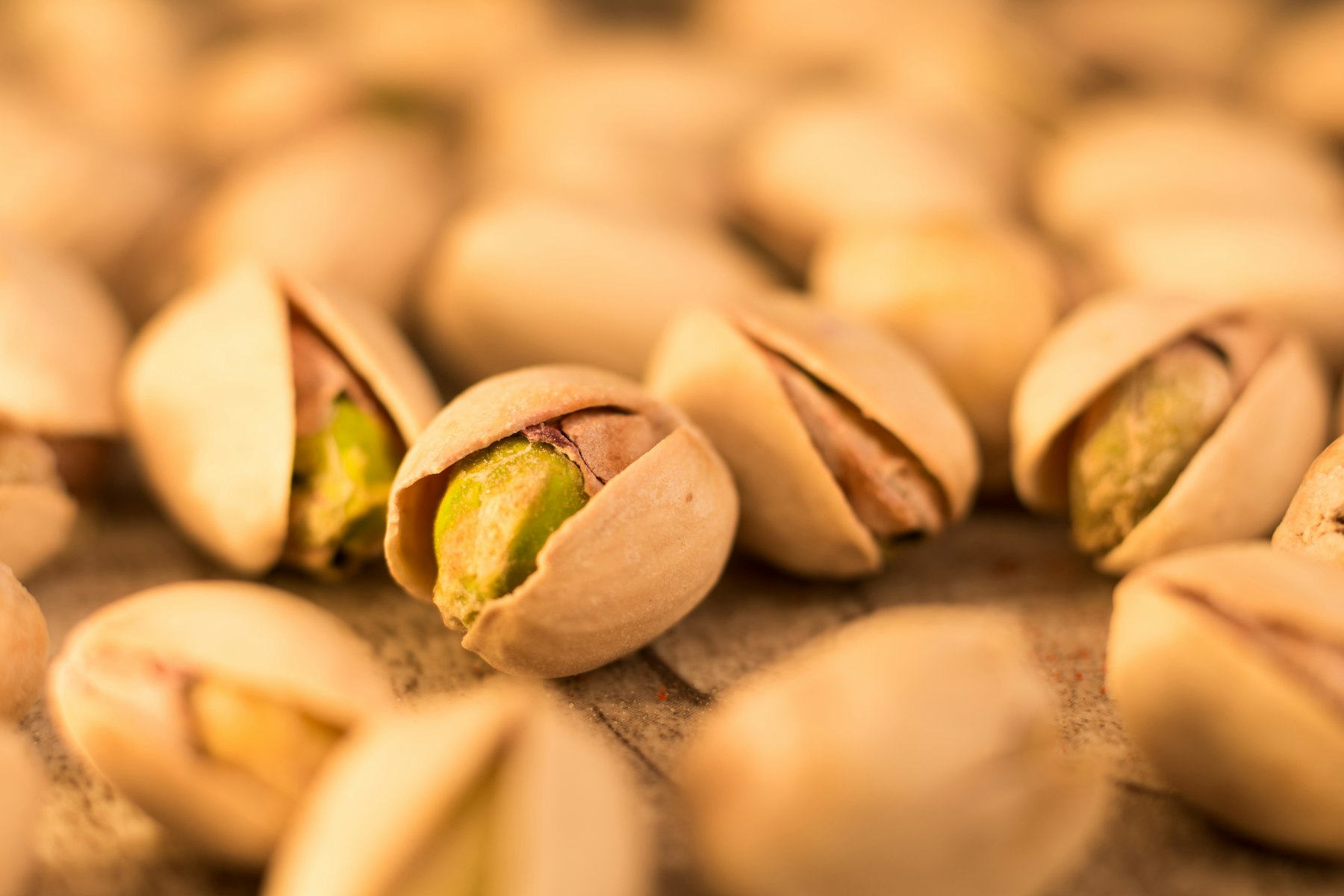
Raw nuts such as walnuts, almonds and hazelnuts appear in moderate amounts as snacks or in salads.
Fish is eaten at least twice a week, while red meat is eaten less often and in smaller portions.
Yoghurt and cheese are eaten in moderate amounts. Traditional options such as ayran and cacık fit easily into this pattern.
Sugary drinks, ready-made snacks, processed meats and desserts are eaten less often.
The Mediterranean diet is about how we eat as well as what we eat. Sharing meals with family and friends, eating slowly and with enjoyment, regular physical activity and choosing seasonal, local produce are all integral parts of this culture.
You do not need exotic ingredients to follow this pattern. These dishes from Turkish cuisine can be part of it directly:
This example is only meant to give you ideas. Portions and the number of meals vary from person to person.
Olive oil is a valuable source of fat, but it is energy-dense. It is important to keep the amount moderate according to your personal energy needs.
The core principles of the Mediterranean diet offer a balanced framework for many people. However, it should be adapted to your health status, allergies and personal needs.
How does poor sleep affect appetite and food choices? Evening meal timing, caffeine, alcohol and eating habits that…
Does everyone need snacks? Timing, filling combinations and easy snack ideas you can prepare for work, school or when…
When and what to eat before training, and how to support recovery afterwards. Practical meal examples for people who…