The relationship between sleep and nutrition
How does poor sleep affect appetite and food choices? Evening meal timing, caffeine, alcohol and eating habits that…
Does everyone need snacks? Timing, filling combinations and easy snack ideas you can prepare for work, school or when you are on the go.
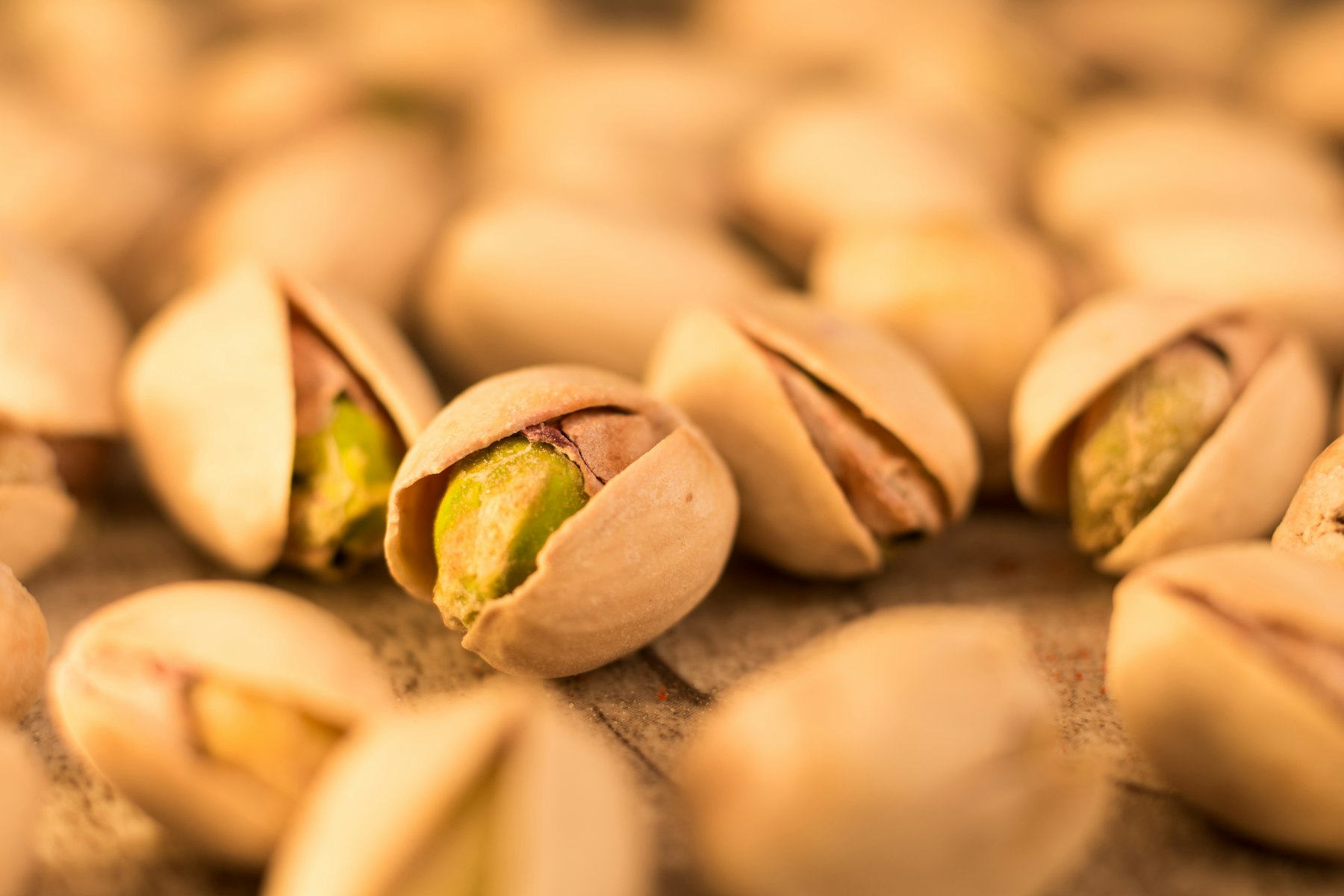
Snacks can help bridge long gaps between main meals, keep energy levels steady and stop you from becoming overly hungry at the next meal. However, when, how much and what kind of snack you have varies from person to person.
No. The need for snacks depends on the time between main meals, physical activity, personal energy needs and hunger. Someone whose main meals are less than 3-4 hours apart and who does not get hungry in between may not need a snack. On the other hand, a well-planned snack can be helpful for someone with 6-7 hours between lunch and dinner, a demanding job or regular training.
For certain health conditions, for example diabetes monitored by a physician, meal patterns should be planned in line with your physician's recommendations.
A snack made up of carbohydrate alone provides short-lived energy and may leave you hungry again soon. Combining a protein source (yoghurt, cheese, egg, nuts) with a fibre-containing food (fruit, vegetables, whole grains) can help you feel full for longer.
A snack should not be as big as a meal. Pay particular attention to portions of energy-dense foods such as nuts; a handful is usually enough.
Packaged biscuits, wafers and sugary drinks may seem convenient, but they are often high in added sugar and saturated fat. Choosing less processed options wherever possible is a good approach.
If you eat dinner early and genuinely get hungry before bed, a light snack (such as a bowl of yoghurt or a glass of milk) can be considered. It is best to decide based on your own routine.
Fruit is a good option. Adding a few raw nuts or a bowl of yoghurt can help you stay full for longer.
How does poor sleep affect appetite and food choices? Evening meal timing, caffeine, alcohol and eating habits that…
The core principles of the Mediterranean diet, based on vegetables, legumes, whole grains and olive oil, and how to…
When and what to eat before training, and how to support recovery afterwards. Practical meal examples for people who…