
8 practical ways to help children enjoy vegetables
For children who push the vegetable plate away: approaches that work better than pressure and bribes, from repeated…
The roles of iron and folate, whose needs increase in pregnancy, the foods that contain them and practical food combinations that support iron absorption.
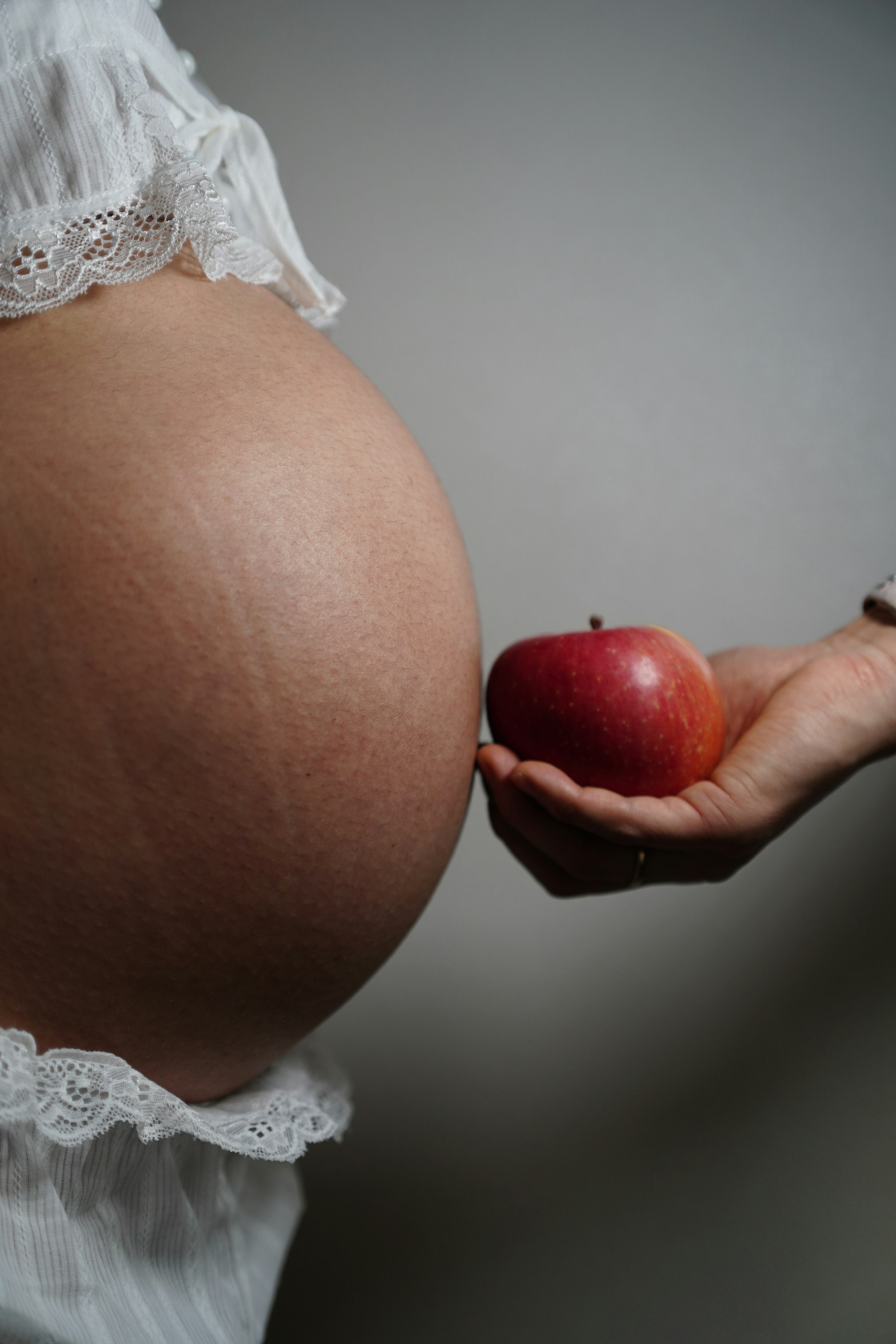
Pregnancy is a time when the body's need for many nutrients increases. Among these, iron and folate (folic acid) stand out in particular. In this article I give a general overview of the roles of these two nutrients and how everyday eating can support them.
Decisions about supplement use, dose and duration in pregnancy are made by your obstetrician. This article is for general information only.
Folate is a B vitamin involved in cell division and DNA synthesis. The baby's nervous system begins to develop in the very early weeks of pregnancy, often before the pregnancy is noticed. For this reason, the World Health Organization and the Turkish Ministry of Health recommend folic acid support for women planning a pregnancy, before conception and in early pregnancy. It is important to discuss how to apply this with your physician.
Folate is sensitive to heat. Steaming vegetables or cooking them briefly, rather than boiling them for a long time, helps reduce folate loss.
Iron is part of haemoglobin in the blood and helps carry oxygen to the tissues. During pregnancy blood volume increases, and iron is also needed for the baby's development, so iron needs rise considerably. During your pregnancy care, your physician checks your blood values regularly and recommends supplements when necessary.
Iron in food comes in two forms:
Eating plant sources of iron with foods containing vitamin C supports absorption. For example:
Some compounds in tea and coffee can reduce iron absorption. It is recommended to drink these about an hour after meals rather than with them. Limiting caffeine intake during pregnancy is also important.
If you take an iron supplement, your physician may advise you not to take it at the same time as milk and dairy products. Follow your physician's instructions on how to take supplements.
For nausea in early pregnancy, eating little and often, starting the day with dry, light foods and avoiding greasy or strong-smelling foods may help. If your nausea is severe, contact your physician.
Liver is rich in iron, but it also contains very high amounts of vitamin A. It is important to follow your physician's advice on eating liver during pregnancy.
For children who push the vegetable plate away: approaches that work better than pressure and bribes, from repeated…
How does poor sleep affect appetite and food choices? Evening meal timing, caffeine, alcohol and eating habits that…
When and what to eat before training, and how to support recovery afterwards. Practical meal examples for people who…